


Cultural insights into the evolution of casino entertainment
Cultural insights into the evolution of casino entertainment
Historical Foundations of Casino Entertainment
The origins of casino entertainment can be traced back to ancient civilizations, where games of chance were an integral part of social gatherings. Ancient Greeks and Romans engaged in dice games, while in China, gambling was popularized through games like Pai Gow. These early forms of gambling not only entertained but also served as a reflection of societal values, revealing the human inclination to risk and reward. Modern casino players often enjoy various gaming experiences, including best online pokies australia, all of which underscore the roots of entertainment.
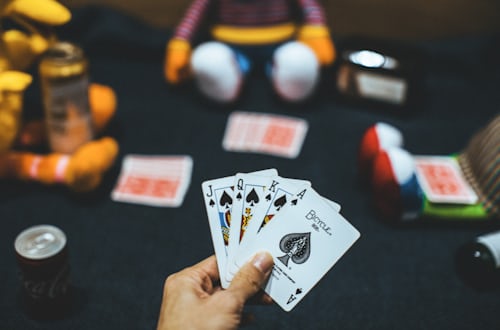
As society evolved, so did the landscape of gambling. By the 17th century, the establishment of the first official casino in Venice marked a significant milestone. The Ridotto offered a structured environment for gambling, setting the stage for the lavish casino resorts that would emerge later. This evolution highlighted how casinos began to reflect cultural sophistication, combining gaming with leisure, dining, and social engagement, thus transforming gambling into a mainstream entertainment option.
In the 20th century, Las Vegas emerged as the epicenter of casino entertainment, attracting millions of visitors each year. The glitzy neon lights and extravagant shows offered a new dimension to gambling, turning it into a spectacle rather than just a game of chance. The fusion of entertainment and gambling in Las Vegas exemplifies the cultural shift toward viewing casinos not merely as places to wager, but as complete entertainment hubs where luck and skill intersect in a vibrant atmosphere.
The Role of Luck and Skill in Casino Games
The debate between luck and skill has long been central to the world of casino entertainment. While many games are predominantly chance-based, such as slot machines and roulette, others require a level of strategy and skill, such as poker and blackjack. This dichotomy has influenced how different cultures perceive gambling. In some societies, games of skill are revered for their strategic depth, while games of chance are often viewed with skepticism due to the inherent risk involved.
For instance, in professional poker, players not only rely on luck when drawing cards but also on their ability to read opponents, manage their chips, and strategize. This blending of skill and luck appeals to a diverse audience, bridging the gap between casual players and seasoned professionals. This dynamic enhances the overall experience, making poker tournaments not just a game of chance, but an engaging competition rooted in strategy and social interaction.
Moreover, the cultural narrative surrounding gambling has shifted with the increasing popularity of skill-based games. Regions that have embraced esports and video games have begun to see parallels in casino gaming, where skill can lead to rewards. This evolution challenges traditional notions of gambling and paves the way for future innovations in casino entertainment, which may increasingly prioritize skill over luck while still maintaining the thrill of chance.
Modern Innovations in Casino Entertainment
As technology advances, so does the landscape of casino entertainment. The rise of online casinos has transformed how players engage with their favorite games. Offering convenience and accessibility, online platforms allow players to enjoy their favorite casino games from the comfort of their homes. This shift not only caters to a broader audience but also introduces new forms of entertainment through live dealer games and virtual reality experiences.
Mobile gaming has also become a significant trend, enabling players to gamble on-the-go. With the integration of apps and mobile-friendly websites, casinos can reach a younger demographic that prioritizes convenience. This evolution is reshaping the gaming experience, allowing for quick bets and instant access to a variety of games, making gambling more integrated into daily life for many individuals.
Furthermore, gamification elements have started to emerge in casino games, making them more engaging. Features like leaderboards, achievements, and rewards systems enhance the gaming experience, encouraging players to return. This blend of entertainment and interactivity not only captivates players but also fosters a sense of community and competition, reflecting broader cultural trends of social gaming and connectivity.
Cultural Perspectives on Gambling
Different cultures have distinct attitudes towards gambling, shaping the evolution of casino entertainment worldwide. In some societies, gambling is celebrated and integrated into festivals and social events, while in others, it is met with stigma and regulations. These cultural perspectives influence how casinos are designed, the games offered, and the overall experience provided to players.
For example, in many Asian cultures, gambling is often associated with luck and fortune, with games like Mahjong and Sic Bo being popular in social gatherings. This cultural backdrop has influenced the design of casinos in regions like Macau, where elaborate themes and culturally significant motifs create a unique gambling atmosphere that resonates with local customs and traditions.
Conversely, in places where gambling is viewed more skeptically, such as certain parts of the United States, casinos often face stricter regulations and societal scrutiny. These cultural perspectives impact marketing strategies and player engagement methods, requiring casinos to adapt their offerings and environments to align with local sentiments while still providing entertainment value.

Conclusion: The Future of Casino Entertainment
As the casino entertainment industry continues to evolve, understanding cultural insights becomes increasingly important. The interplay between luck and skill, modern innovations, and varying cultural attitudes shape the way casinos operate and how players engage with them. Casinos are likely to adapt to changing demographics and technological advancements, paving the way for new forms of entertainment that cater to diverse audiences.
Moreover, as global perspectives on gambling shift, the industry must remain agile, integrating new ideas while respecting cultural nuances. The future of casino entertainment holds great promise, with opportunities for growth and innovation that reflect an ever-changing landscape of leisure and risk. Embracing these cultural insights will be key to navigating this dynamic environment and ensuring that casinos remain relevant and appealing.
About Post Author
