


The historical evolution of gambling from ancient rituals to modern bets
The historical evolution of gambling from ancient rituals to modern bets
The Origins of Gambling: Ancient Rituals and Practices
The roots of gambling can be traced back to ancient civilizations, where it often intertwined with religious practices. Many cultures engaged in casting lots or using primitive dice during rituals to seek guidance from their deities. For instance, the ancient Chinese utilized dice dating back to 2300 B.C., while the Romans employed betting in gladiatorial games. These early forms of gambling were often considered a way to communicate with the gods, as participants believed that fortune favored the brave who risked their worldly possessions. Today, platforms like maxispin casino carry forward this tradition, offering diverse gaming experiences.

In ancient Greece, gambling was not only a pastime but also an essential part of various social events, such as the Olympic Games. Athletes and spectators alike would place bets on their favorite competitors, contributing to a vibrant culture of risk-taking. The Greeks viewed chance as a divine influence, encapsulating the duality of fate and free will. Similarly, in the Middle Ages, games of chance became increasingly popular across Europe, further solidifying gambling’s role in societal interactions.
The significance of gambling in these early societies cannot be understated. It acted as a social glue, fostering connections between individuals and communities. By engaging in these rituals, people not only sought material gain but also engaged with their cultural identities. As societies evolved, so too did the methods of gambling, setting the stage for a complex relationship between chance, skill, and societal norms.
The Evolution of Gambling: From Games of Chance to Skill-Based Betting
The transition from primitive gambling practices to more structured forms began in the Middle Ages, with the emergence of card games and betting houses in Europe. The introduction of playing cards, likely from Asia in the 14th century, revolutionized the gambling landscape. With the establishment of dedicated gambling establishments, people began to engage in both chance and skill-based games, attracting a diverse range of participants from various social strata.
The concept of poker, which evolved from earlier card games, epitomizes this shift toward skill-based betting. Originating in the early 19th century in America, poker allowed players to leverage strategy and psychology, making it more complex than traditional games of chance. This evolution marked a pivotal moment in gambling history, as individuals began to see it as not only a game of luck but also one of skill, where knowledge and experience could significantly impact outcomes.
The 19th century also saw the rise of organized gambling in the form of racetracks and lotteries. These developments paved the way for modern betting practices, establishing frameworks that would govern gambling for centuries to come. As societies began to regulate these activities, the perception of gambling shifted from taboo to a socially acceptable form of entertainment, ultimately contributing to its mainstream acceptance in contemporary culture.
The Legalization and Regulation of Gambling: Shaping Modern Practices
The 20th century marked a significant turning point for gambling, as many governments began to recognize its potential economic benefits. Legalizing various forms of gambling led to an influx of tax revenues and the establishment of regulatory frameworks designed to protect consumers. For example, the legalization of casinos in Las Vegas during the 1930s transformed the gambling landscape in the United States, turning it into a tourist haven and a symbol of entertainment.
As gambling became more mainstream, the introduction of online platforms in the late 20th and early 21st centuries further revolutionized the industry. Online gambling offered unprecedented access, allowing players to engage in their favorite games from the comfort of their homes. This shift not only expanded the global reach of gambling but also introduced innovative technologies that enhanced the user experience, such as live dealer games and mobile betting apps.
Regulatory bodies emerged to oversee the online gambling sector, ensuring fair play and responsible gambling practices. This evolution signaled a maturation of the industry, as governments sought to strike a balance between economic growth and consumer protection. As gambling became more integrated into modern society, it sparked conversations about responsible gaming and the potential for addiction, further shaping public perception and regulatory measures.
The Cultural Impact of Gambling: Reflection of Society
Throughout history, gambling has reflected societal values, offering insights into human behavior and cultural norms. It has been portrayed in literature, film, and art, often embodying themes of risk, reward, and moral dilemmas. Iconic works, such as Dostoevsky’s “The Gambler,” illustrate the psychological complexities associated with gambling, revealing its allure and dangers. These cultural depictions have contributed to the ongoing dialogue about gambling’s role in society.
The proliferation of casinos and gambling establishments has also had a significant cultural impact. They serve as social hubs where individuals gather to experience entertainment, excitement, and camaraderie. Events like poker tournaments and sports betting have fostered communities around shared interests, while also bringing attention to issues surrounding responsible gambling. This duality highlights the need for continued discourse on the consequences of gambling practices.
As societies grapple with the implications of legalized gambling, the conversation continues to evolve. With the rise of online gambling, cultural perceptions are shifting, as technology enables new forms of engagement. As a result, modern gambling not only serves as entertainment but also poses challenges that demand thoughtful considerations from individuals, communities, and lawmakers alike.
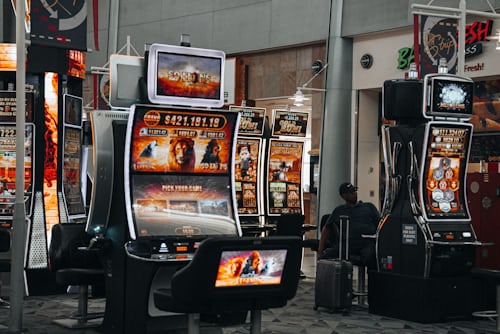
Maxispin Casino Australia: A Modern Gateway to Online Gambling
Maxispin Casino Australia stands at the forefront of the modern gambling landscape, providing a secure platform for Australian players to enjoy an array of gaming options. With a focus on slots, table games, and live casino experiences, it caters to diverse preferences, ensuring an engaging experience for all users. The casino’s commitment to compliance with regional regulations reinforces its dedication to maintaining a responsible gaming environment.
One of the key features of Maxispin Casino is its user-friendly interface, making registration and navigation seamless for new players. Additionally, the platform offers attractive bonuses and promotions, enhancing the overall gaming experience. By employing necessary KYC measures, Maxispin prioritizes player security and trust, establishing itself as a reputable choice in the competitive online gambling market.
Beyond its gaming offerings, Maxispin Casino emphasizes responsible gambling tools, empowering players to make informed decisions. This approach reflects a broader trend in the industry, highlighting the importance of sustainability and accountability in gambling practices. As players enjoy the thrill of modern bets, Maxispin Casino ensures that they do so within a framework that promotes safety and responsibility, echoing the lessons learned from the historical evolution of gambling.
About Post Author
